
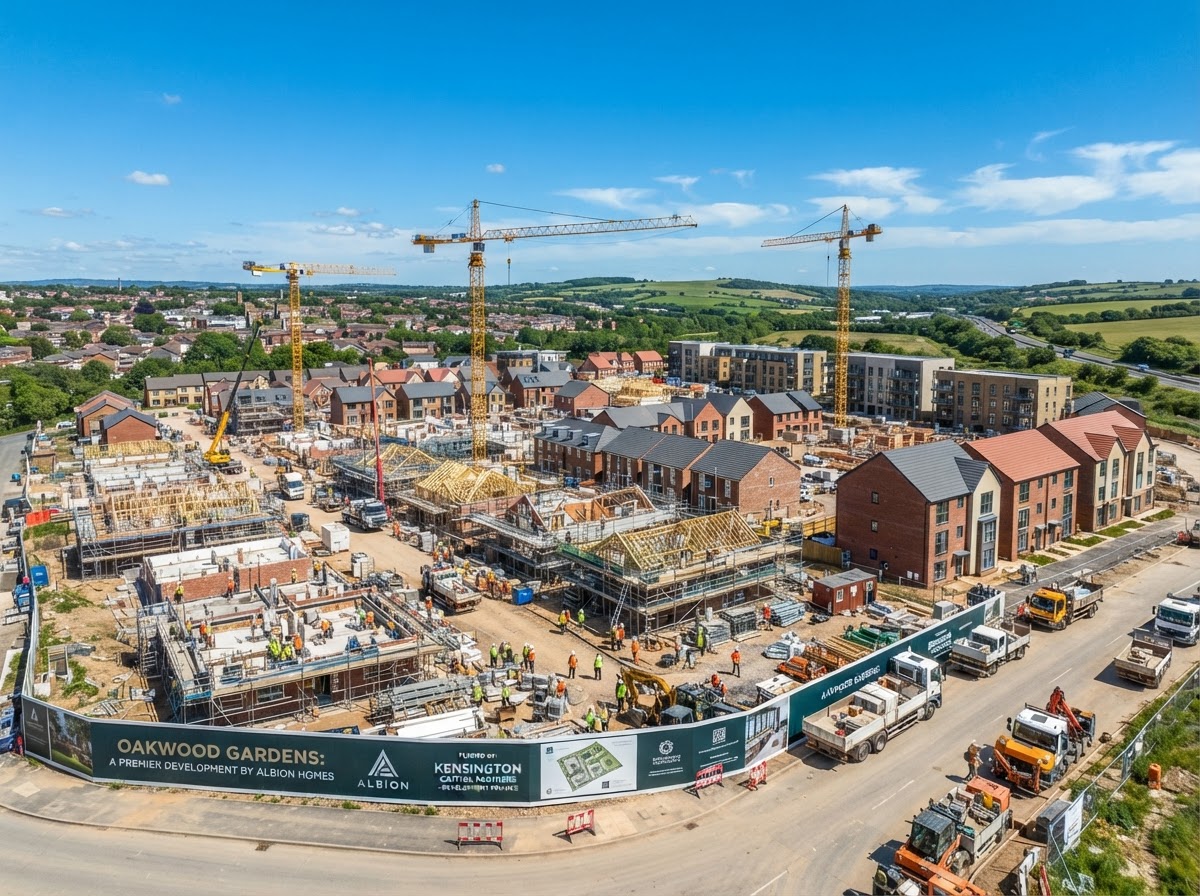
Everything property developers need to know about structuring development finance in 2026 — from loan-to-cost ratios to drawdowns and exit strategies.
Development finance is the lifeblood of the UK property market, enabling builders and developers to turn ambitious plans into completed, revenue-generating projects. As we move through 2026, understanding how to structure funding effectively has never been more important for developers looking to stay competitive in a shifting market.
At its core, development finance is a short-term, facility-based loan designed to cover the cost of acquiring land or property and the build costs associated with constructing or refurbishing it. Unlike a traditional mortgage, the facility is released in tranches — known as drawdowns — tied to milestones such as foundation, wall plate, watertight, and practical completion. This staged release protects both the lender and the developer by ensuring funds are deployed as value is created on site.
One of the most critical metrics lenders evaluate is the Loan-to-Cost (LTC) ratio, which compares the loan amount against the total project cost (including land purchase and build costs). Most specialist lenders will fund up to 65–75% of total project cost, meaning the developer needs to inject equity to cover the balance. A second key metric is Loan-to-Gross-Development-Value (LTGDV), typically capped at around 60–70%, which ensures there is sufficient headroom for the loan to be repaid through sales or refinance.
The exit strategy is arguably the single most scrutinised element of any development finance application. Lenders want a clear, credible plan for how the facility will be repaid at the end of the term — usually 12 to 24 months. The most common exit routes are the sale of completed units, a refinance onto a longer-term product such as a buy-to-let or commercial mortgage, or in some cases retention of the asset within a wider portfolio.
Pricing in development finance is typically expressed as a monthly interest rate rather than an annual percentage rate, reflecting the short-term nature of the facility. Developers should look beyond the headline rate and consider the total cost of credit, including arrangement fees, monitoring surveyor fees, drawdown fees, and any exit fees. A transparent lender will set out all of these costs clearly from the outset, allowing you to model the true cost of the project.
Speed is often the deciding factor in whether a developer secures a site or loses it to a competitor. At Ascend, our streamlined underwriting process is built around the realities of property development — we understand that a delay of two weeks can mean losing a purchase opportunity. By combining market expertise with responsive decision-making, we help clients move quickly and confidently from offer to completion.
If you are planning a development project in 2026, the key to securing the right finance is preparation. Have a clear, costed project appraisal, a credible exit strategy, and an experienced professional team in place. Speak to a specialist lender early in the process so that you can move decisively when the right opportunity presents itself.
Topics covered: